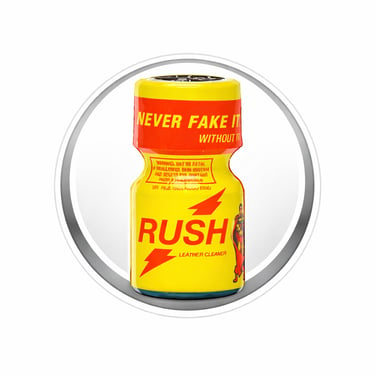


Retailers and distributors should assess a poppers supplier’s credibility before comparing price. A low quotation has little value if the business cannot demonstrate a legitimate identity, consistent operations, or compliance with applicable laws. Ask how long the supplier has traded, which legal entity will appear on invoices, and what role it plays in manufacturing, importing, or distributing the products. Request evidence that can be checked independently, such as business registration details and relevant compliance documentation. Requirements vary by jurisdiction, so buyers should verify local rules rather than assume a product may be marketed or sold everywhere.
Ask the supplier to explain where products are made and how production and quality controls are managed. Answers should identify specific facilities, responsible parties, and documented procedures where appropriate, rather than relying on general claims such as “premium quality.” Clarify what product information and safety documentation are available, and check that the supplier’s business details and product descriptions are consistent across its website, catalogue, quotation, and order paperwork. Material differences or evasive answers are reasons to pause and investigate before placing an order.
A clear catalogue helps buyers determine whether the range suits their retail or distribution channel. It should list available sizes, formats, and packaging options, with unambiguous product identifiers and specifications. Compare those details against the quotation and final order documents, and request written clarification for any discrepancy. Consider practical channel requirements, including packaging presentation, labelling, permitted claims, and the supplier’s ability to provide reliable documentation for each item. Do not rely on unsupported promises about effects or medical benefits; product descriptions should remain factual and legally appropriate. A careful review of operating history, sourcing, identity, and catalogue consistency provides a sound basis for supplier selection before price negotiations begin.
Before placing a bulk order, ask the supplier to explain its quality-control process in practical terms. Find out whether incoming materials and finished products are checked, which specifications are assessed, and how nonconforming goods are handled. Ask how production batches are identified on packaging and in sales or shipping records, and whether the supplier can trace a batch if a concern arises. Request relevant safety, product, and shipping documentation for the destination market, including any available product descriptions, handling information, or transport records. Requirements differ by product and jurisdiction, so verify applicable rules with the relevant authorities or qualified advisers. Do not assume that one certificate, test report, or supplier assurance establishes compliance in every market.
Where samples are available, review them before committing to a large purchase. Inspect packaging and labeling for clarity, consistency, and correspondence with the proposed order, and compare the sample’s presentation with the supplier’s written specifications. Ask whether the sample comes from current production and how it is packed or shipped. A sample can help assess what is being offered, but it cannot guarantee that later batches will be identical or perform to the same standard. Confirm what happens if delivered goods differ materially from agreed specifications, including the process and time limits for reporting discrepancies.
Compare commercial terms as carefully as product details. Record minimum order quantities (MOQs), price breaks at different volumes, currency, taxes, freight, and any other charges that affect the landed cost. Clarify payment methods, deposits, balances, refund conditions, and whether sample orders carry separate fees or shipping costs. Ask for realistic lead times, dispatch estimates, delivery responsibilities, and procedures for delays, shortages, or damaged shipments. Before payment, obtain all material terms in writing, including specifications, quantity, batch or labeling expectations, documentation to be supplied, and remedies for nonconforming goods. A clear written agreement makes supplier comparisons more reliable and reduces the risk of misunderstandings after an order is placed.
Reliable communication is a practical indicator of whether a wholesale relationship can operate predictably. Before placing an order, assess how quickly the supplier responds and whether answers are clear, consistent, and specific to your questions. Ask about product specifications, packaging, stock availability, order changes, and delivery arrangements. A dependable contact should address technical and logistical questions without evasion and explain when additional information is needed. Confirm that you will have a named representative or an established support channel, and request written confirmations for quotations, accepted orders, changes, and dispatch updates. Keeping these records can help resolve misunderstandings and make repeat purchasing more manageable.
Compare the total landed cost rather than selecting a supplier solely by unit price. Request an itemized quotation that identifies packaging charges, freight, insurance where applicable, and any other fees. Depending on the destination and shipping arrangement, duties, taxes, customs brokerage, handling, or delivery surcharges may also apply. Clarify which party is responsible for each charge and when it becomes payable; do not assume that an advertised shipping price includes all destination costs. Compare quotations on the same basis, including quantities, packaging, delivery terms, and expected charges, so that apparent savings are not offset by costs revealed only after an order has shipped.
Before confirming, ask which shipping methods are available, when dispatch is expected, and what transit window is estimated. Establish how tracking details will be provided and who will respond if a shipment is delayed, lost, or damaged. Request the process and documentation needed to report a problem, including any relevant time limits. International rules for shipping, labeling, sale, and import can vary by location and change over time. Buyers should independently verify current requirements with appropriate authorities or qualified advisers, and confirm that the proposed shipment is permitted and appropriately documented for its destination. A supplier’s assurances do not guarantee legal entry, customs release, or lawful resale. Make compliance checks before payment and retain relevant written records.
A practical supplier checklist helps turn initial claims into verifiable information. Begin by checking the company’s legal business identity, operating history, and manufacturing or sourcing background. Ask who makes the products, where they are produced, and whether the supplier can provide consistent documentation about origin. Confirm the available product sizes, bottle or container formats, materials, closure types, and packaging specifications. Make sure written product details match any samples, quotations, and invoices before placing an order.
Review relevant quality and safety documentation, and clarify what each document covers, who issued it, and whether it applies to the exact product and batch offered. Request samples where appropriate and lawful, then assess packaging, labeling, and consistency against the agreed specifications. Record the minimum order quantity (MOQ), unit pricing, volume breaks, lead time, payment terms, and any charges for setup, packing, or freight. Calculate landed cost for the destination, including transport, insurance, duties, taxes, brokerage, and other applicable fees, rather than comparing suppliers on unit price alone.
Confirm shipping methods, dispatch responsibilities, tracking, damage procedures, and any restrictions affecting the destination. Agree in writing how shortages, defects, delays, or specification changes will be handled, including response times and remedies. Assess communication during the inquiry: clear, timely answers and complete records are useful indicators of how issues may be managed after purchase. For repeat orders, check whether specifications can be maintained, stock or production capacity can support replenishment, and reorder lead times are communicated clearly. Ask how much notice is needed and whether availability can be confirmed before each order.
Keep the quotation, specifications, compliance records, and order terms together, and verify them again when details or regulations change. Laws, labeling, shipping, and sales rules vary by location; buyers must independently confirm the requirements that apply in each relevant market before importing, distributing, or selling products. A dependable supplier relationship rests on documented expectations and ongoing verification, not on low prices or unsupported claims alone. For a wholesale inquiry, provide the destination country, preferred sizes, estimated quantity, and packaging requirements so the supplier can respond with relevant availability, pricing, and delivery information.
Read our country pages for Australia, Israel, and Russia. Contact us to confirm product availability and shipping options for your destination.